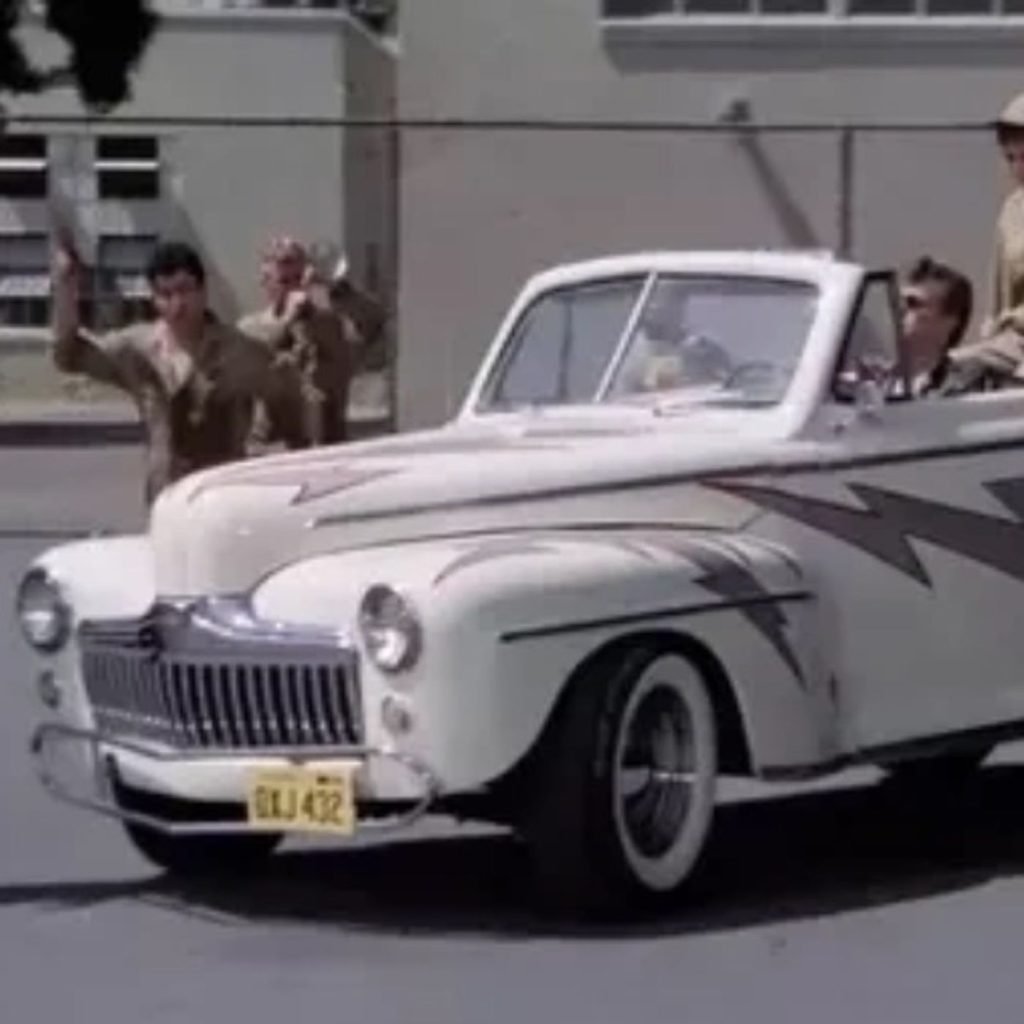
You’ve probably done it yourself, or at least heard someone else do it: called their car by a name. From “The Beast” to “Betty,” "Blueberry" to "Bumblebee," this widespread practice of giving our vehicles distinct identities goes far beyond mere eccentricity. It’s a profound manifestation of The Art & Psychology of Naming Your Vehicle, revealing a deep-seated human tendency to connect with the inanimate world around us, especially objects that hold significant roles in our daily lives.
This isn't just about a cute habit; it's rooted in fundamental aspects of human psychology, influencing how we perceive, care for, and interact with our machines. But while naming can deepen our bond and even improve maintenance habits, it also comes with a surprising set of psychological risks we need to understand.
At a Glance: Why We Name Our Cars
- It's Anthropomorphism in Action: We project human-like minds and feelings onto our cars.
- Part of Our Identity: Our car becomes an extension of ourselves, gaining more value and meaning.
- Emotional Support: Naming can reduce anxiety and offer a sense of control and comfort.
- Community Builder: It fosters storytelling and shared identity among enthusiasts.
- Benefits: Leads to better care, increased enjoyment, and improved communication.
- Risks: Can cause over-trust, bias judgment, and skew risk perception if not done mindfully.
- Common: Around 42% of Americans name their cars, with younger generations leading the trend.
Why We Name Them: The Deep Roots of Connection
Our relationship with our cars is complex, often extending far beyond simple utility. They are tools, sure, but also symbols of freedom, status, adventure, and even comfort. It's no wonder, then, that we often bestow them with a personal touch: a name. This isn't a whimsical act; it's driven by several powerful psychological forces.
More Than Metal: The Anthropomorphic Impulse
At its core, naming your car is an act of anthropomorphism – the attribution of human traits, emotions, or intentions to non-human entities. Humans are instinctively wired to perceive minds in others, and this tendency spills over to objects, especially those that are important, unpredictable, or appear to have agency.
When we name a car, we increase its "mind perception," enhancing our sense that it can act (agency) and even feel (experience). This is fueled by our inherent human knowledge – we understand action and reaction – our desire for control (effectance motivation) over our environment, and our basic social needs for connection. Suddenly, your car isn't just a machine; it's a character in your daily narrative.
The Extended Self: Your Car, Your Identity
For many, a car is more than a mode of transport; it's a prized possession. And prized possessions, much like our clothes, homes, or even our digital avatars, become an integral part of our "extended self." They reflect who we are, what we value, and how we navigate the world.
Naming personalizes this extension, transforming a mass-produced object into "my" vehicle. This psychological effect is amplified by what behavioral economists call the endowment effect – where we value items we own more highly than items we don't. It's also bolstered by the IKEA effect, which suggests we place a disproportionately high value on products we have partially created or customized. Naming your car is, in a sense, a form of personalization that deeply integrates it into your personal identity.
A Source of Comfort: Attachment, Rituals, and Emotion Regulation
Just as children form attachment-like bonds with security blankets or favorite toys, adults can form similar connections with objects for comfort and predictability. Our cars, being reliable (mostly) companions through daily commutes and grand adventures, become prime candidates for such bonds.
Naming a car, and then interacting with it through that name (e.g., "Come on, Betty, just a little further!"), can serve as a ritual. These micro-rituals can reduce anxiety, diffuse frustration during traffic jams, or even make us feel like the machine is cooperating more readily. This provides a sense of emotional regulation, making the often-stressful experience of driving a little more manageable and, dare we say, friendly.
Shared Stories: Social Signaling and Community Bonds
Beyond the personal connection, naming a car also serves a powerful social function. It facilitates storytelling, making your car a more vivid character in anecdotes shared with friends, family, or fellow enthusiasts. "Remember when 'The Wanderer' broke down in the desert?" sounds much more engaging than "Remember when my SUV broke down..."
This shared identity is particularly evident in car clubs and online communities, where unique names often align with specific brand personalities or cultural traditions of naming vessels, much like ships have always been named. It creates an instant point of connection and camaraderie, deepening bonds within these groups.
The Unexpected Impacts: Good Intentions, Mixed Results
While the impulse to name your car is a natural, often positive one, the psychological effects aren't always straightforward. Understanding both the benefits and potential pitfalls is key to fostering a truly healthy relationship with your vehicle.
The Upsides: A Nurturing Relationship
The positive impacts of naming a car are plentiful and often intuitive:
- Increased Care and Maintenance: When your car has a name, it's less of an object and more of a companion. This emotional attachment often translates into better care, more diligent maintenance, and a proactive approach to keeping "her" in top shape.
- Enhanced Enjoyment and Loyalty: A named car can simply be more fun to drive. The personalization fosters a deeper sense of loyalty, making you more likely to enjoy your current vehicle and less prone to "the grass is greener" syndrome.
- Simplified Communication and Memory: Referring to your car by name streamlines conversations ("'Blueberry' needs an oil change") and helps you recall specific memories or incidents more easily.
- Better Coping Mechanisms During Mishaps: When something goes wrong – a flat tire, a fender bender – having a named entity can provide a psychological buffer, making the frustrating situation feel less impersonal and more like a shared experience with a "friend."
The Downsides: Unseen Risks and Biases
Despite the many benefits, the very same anthropomorphism that makes naming so appealing can introduce subtle, yet significant, risks:
- Potential for Over-Trust: This is perhaps the most concerning risk. If a name implies abilities the car doesn't possess – like "Guardian Angel" or "Autopilot" – it can foster mistaken beliefs about its capabilities. You might unconsciously think, "She'll handle this," even when the car's actual safety features or driving assistance systems have limitations. Safety agencies have flagged this as a concern, particularly with the rise of semi-autonomous driving features.
- Bias About Capability: Naming your car can inflate your perceived intelligence or autonomy of the vehicle. You might project human-like decision-making onto it, leading to a skewed understanding of its actual mechanical limits or software capabilities.
- Skewed Risk Perception: An emotional bond can lead to an underestimation of risks. If your "Tank" gives you a false sense of invulnerability, you might take chances you wouldn't otherwise, simply because the name implies unbreakable durability or superior protection.
Who's Talking to Their Car? Demographics and Drivers
While naming cars is a widespread phenomenon, some individuals are more inclined to do it than others. Understanding these factors sheds light on the diverse ways humans interact with their world.
You might be more likely to name your car if you identify with any of these characteristics:
- High Trait Anthropomorphism and Empathy: People who naturally tend to see human qualities in animals or inanimate objects, and those with a higher degree of empathy, are more prone to naming their cars.
- A Need for Control Amid Uncertainty: In a world filled with unpredictability, giving a name to a significant possession like a car can provide a sense of agency and control, making the unknown feel a little more manageable.
- Involved in High Customization: If you've invested time, effort, or money into personalizing your vehicle – from custom paint jobs to unique interiors – naming it is a natural extension of that bespoke relationship.
- Influenced by Community: Membership in car clubs, family traditions, or peer groups where car naming is common can heavily influence your own likelihood of bestowing a name.
- Cultural Traditions: Certain cultures have long traditions of naming vessels, and this can extend to land-based vehicles, especially in languages with grammatical gender where inanimate objects are often referred to as "she" or "he."
Surveys consistently show the prevalence of this trend. About 42% of Americans name their cars, and a significant 73% report that doing so strengthens their bond with the vehicle. Interestingly, this practice is more prominent among younger generations, with 51% of Millennials naming their cars, compared to 32% of Gen X, and 18% of Boomers. This generational gap might reflect evolving social norms, increased personalization trends, or perhaps a greater comfort with anthropomorphism in a digital, interactive age.
Navigating the Pitfalls: Common Misconceptions and How to Avoid Them
The emotional attachment that comes with naming your car is powerful, but it's crucial to be aware of the potential blind spots it can create. Responsible ownership means balancing affection with objective reality.
Over-Trust in Automation
This is a critical modern concern. Giving your car a human-like name can inadvertently foster mistaken beliefs about its self-driving capabilities or advanced driver-assistance systems (ADAS). If you call your car "Co-Pilot" or "Navigator," you might subconsciously assign it more autonomy and decision-making power than it actually possesses. This can lead to dangerous over-reliance on technology, a concern repeatedly highlighted by safety agencies who warn against names that suggest full self-driving capability where none exists.
Stereotypes and Bias
While often unintentional, gendered or caricatured names can sometimes reinforce outdated stereotypes. For example, consistently assigning traditionally "feminine" names to smaller, less powerful cars or "masculine" names to larger, aggressive vehicles can subtly perpetuate gender biases in car perception. It’s worth considering what message a name sends, even if only to yourself.
Rationalizing Problems
A friendly nickname, meant to foster connection, can sometimes backfire by normalizing chronic issues. If your car "Betsy" always rattles, you might affectionately dismiss it as "Oh, that's just Betsy being Betsy," rather than recognizing it as a symptom requiring professional attention. This rationalization can delay necessary repairs, turning minor issues into major, costly, or even dangerous problems.
Sunk-Cost Attachment
Emotional sentiment can lead owners to keep unsafe or uneconomical vehicles longer than advisable. If "Old Faithful" has been with you through thick and thin, the attachment might outweigh rational judgment about its mounting repair costs, declining safety, or environmental impact. You might invest more money than the car is worth, purely due to the strong bond forged through its name and shared history.
To mitigate these risks, enjoy the personality your car's name imbues, but always let the owner's manual, diagnostic reports, and established safety guidance set your expectations and dictate your maintenance and driving decisions. Your emotional connection should enhance, not override, your rational judgment.
The Responsible Naming Guide: Giving Your Car a Great Identity (And You Peace of Mind)
Naming your car doesn't have to be a psychological minefield. With a thoughtful approach, you can harness the benefits of attachment and enjoyment without falling prey to the potential risks. Here's how to do it responsibly:
- Base the name on real traits: Let your car's actual characteristics inspire its name. Is it a vibrant blue hatchback? "Blueberry" or "Smurfette" works. A well-used, reliable pickup? "Dusty" or "Ol' Reliable." An EV with quick acceleration? "Comet" or "Sparky." These names are descriptive, light, and realistic, grounding the identity in tangible features rather than imagined capabilities.
- Steer clear of autonomy cues: Avoid names that suggest your car drives itself, protects you autonomously, or has independent thought. Names like "Autopilot," "Guardian Angel," "Pilot," or "Sentinel" can blur the lines between machine and human-like intelligence, fostering the dangerous over-trust we discussed earlier. Your car's name should describe what it is, not what you wish it could do.
- Use the name as a cue for care: Integrate your car's name into your maintenance routine. "Time for 'Rocket' to get its tires rotated," or "Looks like 'Shadow' needs a good wash." This reinforces the positive link between the named entity and responsible ownership, treating your car with the consistent care it deserves.
- Align with co-drivers: If you share your vehicle with a partner, family member, or housemate, choose a name together. This collaborative process can build shared norms around how the car is treated, making it easier to agree on maintenance schedules, driving habits, and overall care. A shared name fosters shared responsibility.
- Keep rituals grounded: Celebrate milestones with your named vehicle – a cross-country trip, a particularly reliable year. But when it comes to critical decisions like repairs, upgrades, or even replacement, let data, safety reports, and your budget guide your choices, not just sentiment.
For those looking for a bit of inspiration, or perhaps a unique spin on a classic, you might even consider using a car name generator tool to spark some creative ideas that align with your vehicle's true character and your intentions for its care.
Real-World Names: What Works, What Doesn't
To illustrate the principles of responsible naming, let's look at some examples:
Helpful Names (Descriptive, Light, Realistic)
- "Blueberry" (for a small blue hatchback): Clearly describes its color and size without implying superhuman abilities.
- "Dusty" (for a well-used pickup truck): Reflects its rugged, hardworking nature and history.
- "Comet" (for an electric vehicle with quick acceleration): Suggests speed and efficiency without overstating autonomy or durability.
- "The Wanderer" (for a classic road trip vehicle): Evokes adventure and purpose, grounding the car in its function.
These names are effective because they create personality based on the car's actual traits and purpose. They enhance connection without fostering false expectations.
Risky Names (Overstating Protection, Durability, or Autonomy)
- "Autopilot" or "Co-Pilot": These names directly imply the car can drive itself or assist with driving decisions to an extent beyond its actual capabilities, leading to over-trust and potential danger.
- "Guardian Angel": Suggests an infallible protective quality, which can make a driver take more risks, believing the car will prevent harm no matter what.
- "Tank" or "Juggernaut": While aiming to convey durability, these names can foster a false sense of invulnerability, encouraging reckless driving or a disregard for safety features because the car is perceived as "unbreakable."
The safest names are those that describe what the car is, its visible characteristics, or its primary purpose, rather than what is wished it could do or what it ideally represents in terms of protection or intelligence.
Beyond the Name: Understanding Car Culture's Lexicon
While naming a car is a personal psychological journey, it also intersects with broader car culture. Understanding some popular slang, especially among younger generations, can give you a deeper appreciation for how cars are perceived and discussed.
- Whip: The most common and widely accepted slang term for "car." It can also be used as a verb, as in "I'm going to whip over to the store."
- Slammed: Describes a car with a lowered suspension, bringing it very close to the ground, often for aesthetic or performance reasons.
- Hoon: To drive fast, aggressively, or potentially recklessly, often with intentional skids or drifts.
- End can: A derogatory term for an exhaust tip, often used by enthusiasts to describe cheap or aesthetically unpleasing aftermarket modifications.
These terms, along with personal names, illustrate the rich and evolving language we use to describe our vehicles, further solidifying their place as cultural touchstones.
Drive On, Thoughtfully: Building a Better Bond with Your Ride
The act of naming your vehicle is far more than a quirky habit; it's a testament to our fundamental human drive for connection and meaning. It's a natural outcome of our psychological tendencies – anthropomorphism, the extended self, and the need for control and comfort. When done with awareness, it can enrich your ownership experience, fostering increased care, enjoyment, and a deeper bond with your machine.
However, a thoughtful approach is paramount. By grounding your car's identity in its true characteristics, avoiding names that imply false capabilities, and prioritizing objective reality over emotional attachment when it comes to safety and maintenance, you can enjoy all the benefits of a named vehicle without succumbing to the subtle psychological pitfalls. So go ahead, give your car a name – just make sure it’s one that celebrates what it truly is, and empowers you to be its most responsible driver.